


Stem cell therapy is a cutting-edge medical treatment that uses stem cells to repair, regenerate, or replace damaged tissues and cells in the body. Known for their ability to transform into various cell types, stem cells offer revolutionary possibilities for treating a wide range of diseases and injuries. This innovative approach is rapidly advancing, bringing hope to patients with conditions once thought to be untreatable.
What are Stem Cells?
Stem cells are unique cells in the body with the ability to divide and develop into specialized cell types, such as muscle, nerve, or blood cells. There are two main types of stem cells used in therapy:
- Embryonic Stem Cells: These are pluripotent, meaning they can develop into any cell type in the body.
- Adult Stem Cells: Found in tissues like bone marrow and fat, these are multipotent and can regenerate specific tissues. Mesenchymal stem cells (MSCs) are commonly used in regenerative medicine for their ability to repair bone, cartilage, and other tissues.
Applications of Stem Cell Therapy
Orthopedic Conditions: Stem cell therapy is used to treat joint pain, osteoarthritis, and cartilage damage by regenerating damaged tissues and reducing inflammation.
Neurological Disorders: Conditions such as Parkinson’s disease, spinal cord injuries, and multiple sclerosis benefit from stem cells that repair damaged neurons and support nerve regeneration.
Cardiovascular Diseases: Stem cells aid in repairing heart tissue after a heart attack, improving heart function and reducing long-term complications.
Diabetes: Research shows potential in using stem cells to regenerate insulin-producing cells in the pancreas, offering hope for type 1 diabetes treatment.
Cosmetic and Anti-Aging Applications: Stem cells are increasingly used in skin rejuvenation, hair restoration, and wound healing, offering minimally invasive solutions for aesthetic concerns.
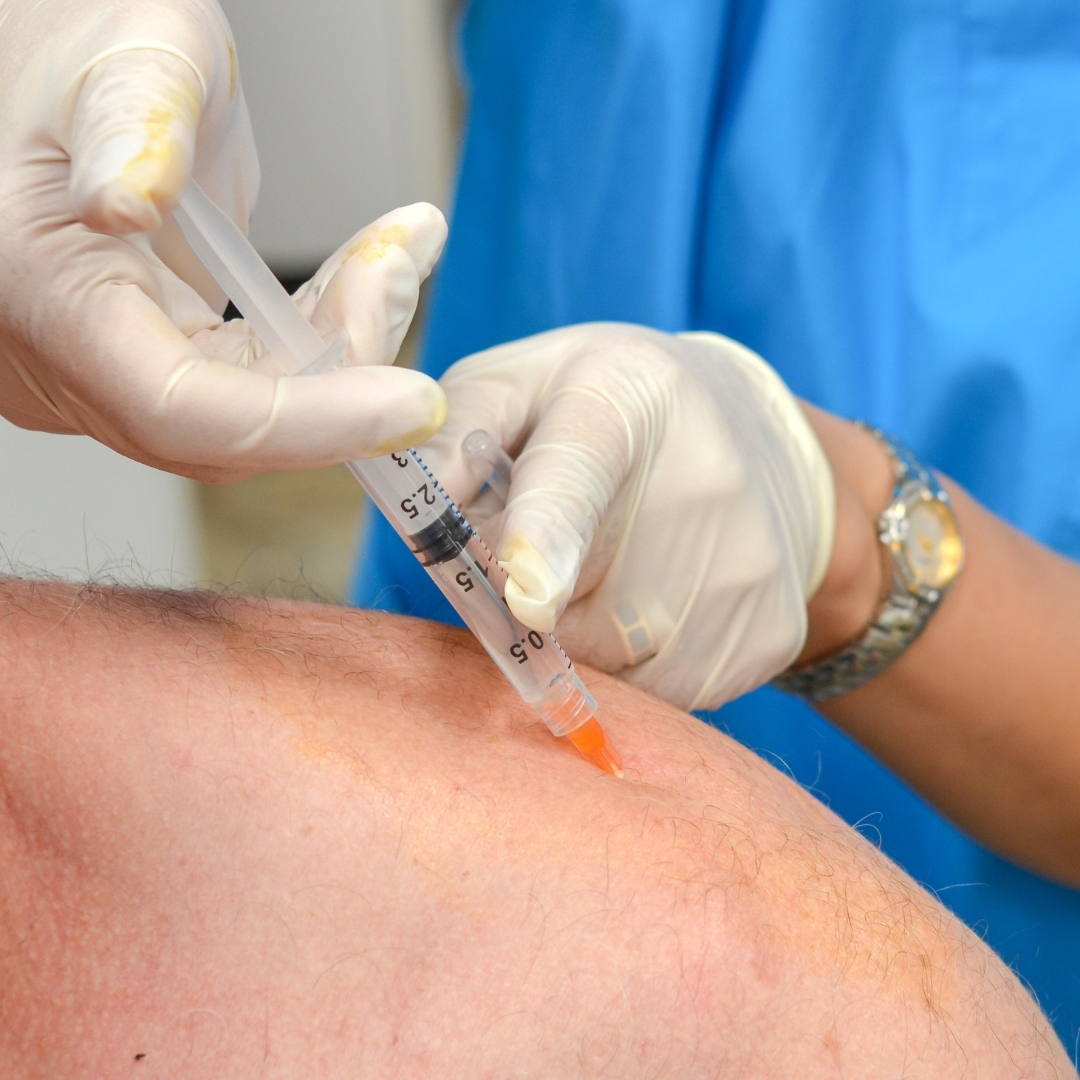

The Process of Stem Cell Therapy
- Collection: Stem cells are harvested from the patient’s bone marrow, adipose tissue, or blood, or they may come from donor sources.
- Processing: The harvested stem cells are isolated, purified, and prepared for injection.
- Administration: The stem cells are injected into the target area, where they stimulate repair, reduce inflammation, and encourage regeneration.
Advantages of Stem Cell Therapy
- Minimally Invasive: Many stem cell procedures are performed through simple injections, reducing recovery time.
- Natural Healing: Stem cells utilize the body’s natural repair mechanisms, minimizing risks compared to traditional surgeries.
- Versatility: Applicable to a wide variety of medical conditions and injuries.
Challenges and Considerations
While stem cell therapy shows great promise, there are challenges, such as:
- Limited Long-Term Research: More studies are needed to fully understand the long-term effects.
- Ethical Concerns: The use of embryonic stem cells can raise ethical debates.
- Regulatory Oversight: Treatments must adhere to strict regulations to ensure patient safety and efficacy.
The Future of Stem Cell Therapy
Advancements in stem cell research continue to expand the possibilities of this groundbreaking therapy. Technologies like CRISPR and 3D bioprinting are opening new frontiers, enabling precise gene editing and tissue engineering. As these innovations progress, stem cell therapy could become a cornerstone of modern medicine.
Conclusion
Stem cell therapy represents a significant leap forward in medical science, offering hope for conditions previously considered untreatable. Whether addressing chronic pain, degenerative diseases, or cosmetic concerns, this therapy provides a personalized, natural approach to healing. For more information or to explore treatment options, contact our experienced team.
📱+90 539 650 38 85
🌐 asumedhealth.com
📍 Istanbul, Turkey