
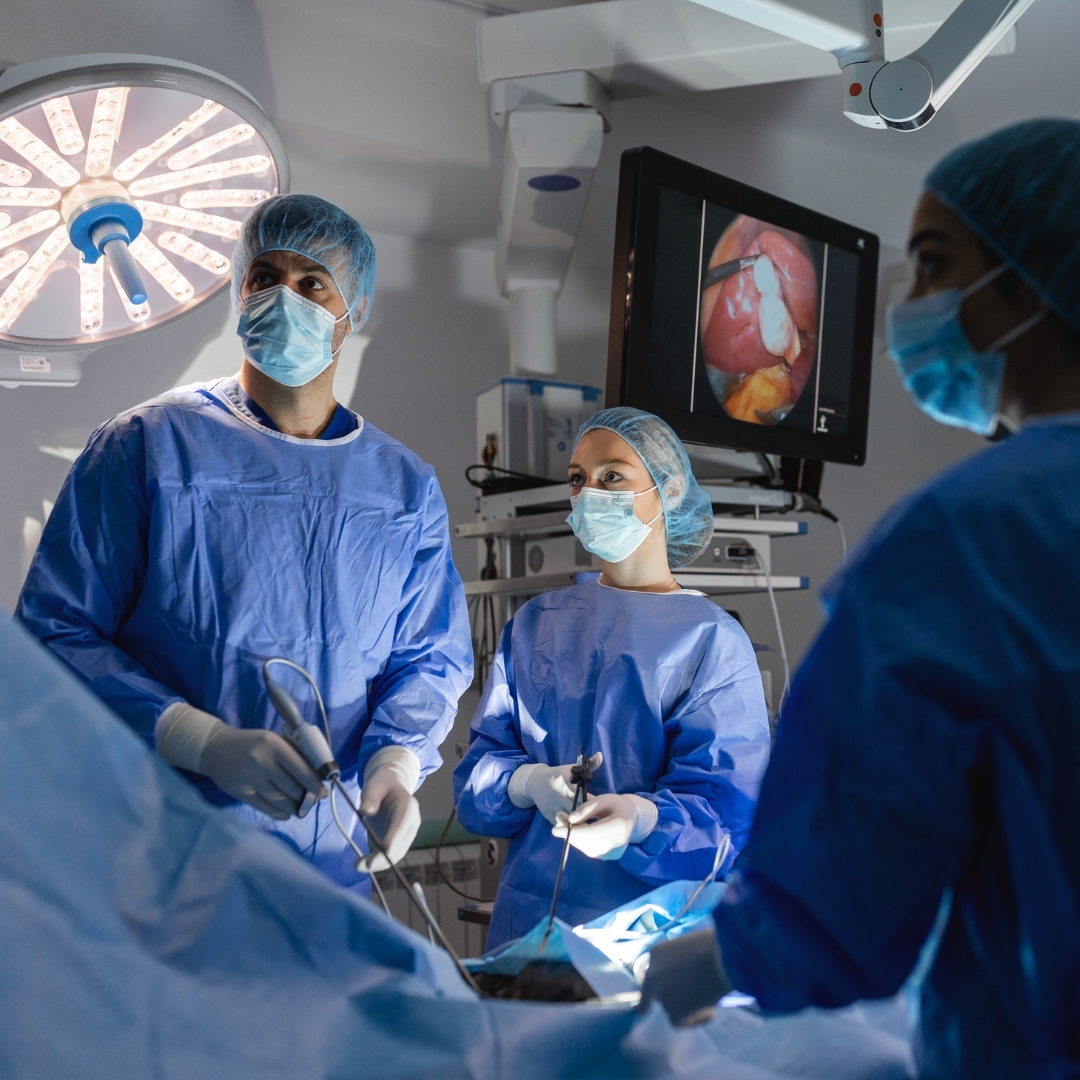

Brain and neurosurgery, also known as neurosurgery, involves surgical interventions for disorders affecting the central and peripheral nervous systems. These include diseases of the brain, spinal cord, and nerves. Neurosurgeons use advanced techniques to treat conditions that may severely affect a patient’s quality of life. The primary goal is to resolve neurological issues, enabling patients to lead healthier lives.
Common Conditions Treated in Neurosurgery
Neurosurgery addresses a wide range of conditions, including:
Brain Tumors: Both benign (non-cancerous) and malignant (cancerous) brain tumors can cause serious health problems by putting pressure on the nervous system. Brain tumor surgery aims to remove or reduce the size of the tumor, often using microsurgical techniques to protect neurological functions.
Spinal and Disc Herniations: Herniated discs in the spine can put pressure on nerve roots, causing severe pain and mobility issues. Neurosurgery can relieve this pressure by removing the affected disc or stabilizing the spine, offering significant pain relief and restoring movement.
Aneurysms: Brain aneurysms, or abnormal bulges in blood vessels, can lead to life-threatening brain hemorrhages. Surgical procedures such as aneurysm clipping or endovascular coiling are used to repair these blood vessels
Traumatic Brain Injuries: Injuries caused by accidents, falls, or physical trauma to the head may require immediate neurosurgical intervention. Surgeons work to control bleeding, remove damaged tissue, and prevent further brain damage.
Parkinson’s Disease and Epilepsy: For patients whose symptoms do not respond to medication, neurosurgery can offer alternative treatments. Procedures like deep brain stimulation (DBS) help manage movement disorders like Parkinson’s, while epilepsy surgery can remove or alter parts of the brain to prevent seizures.
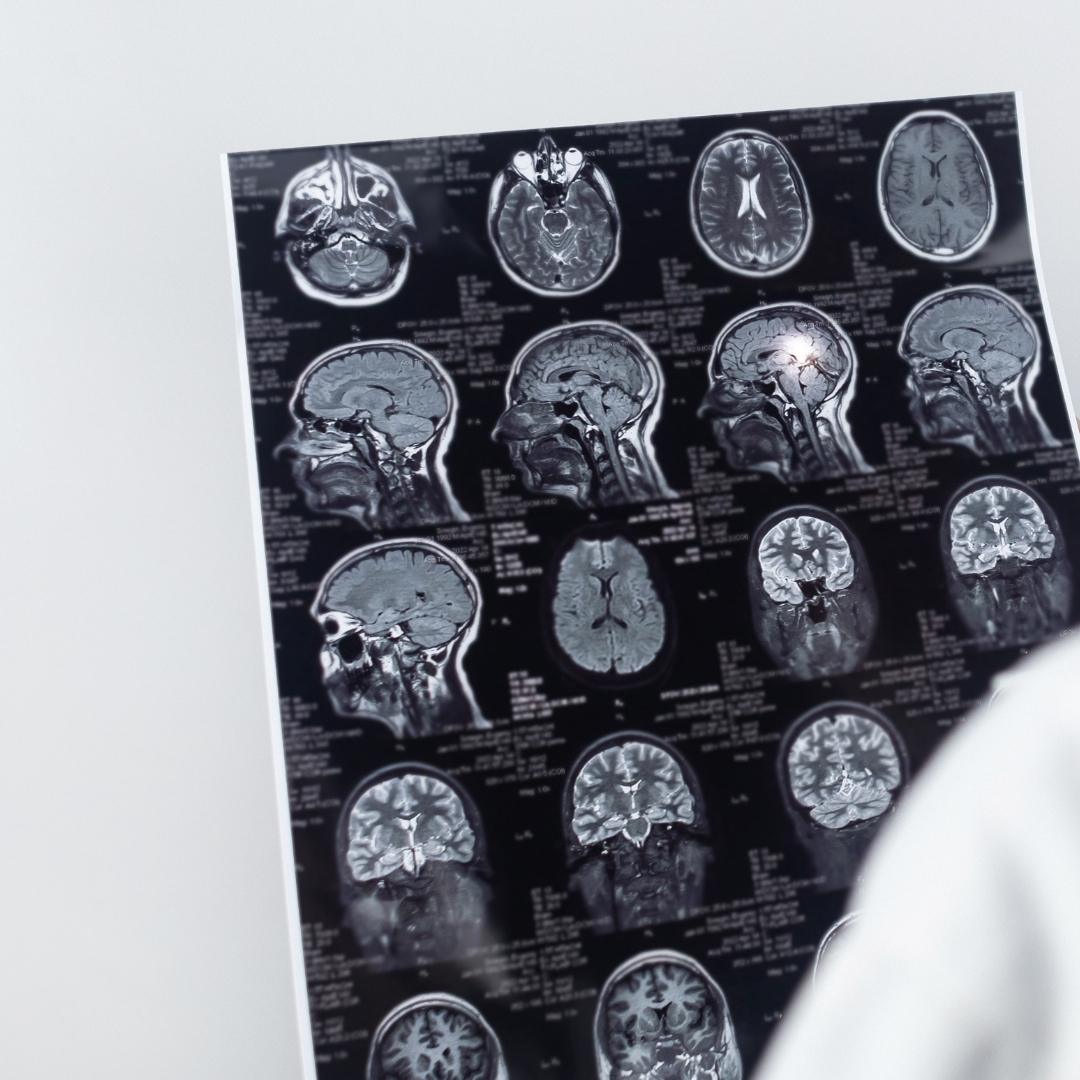

The Importance of Neurosurgery
Neurosurgery plays a vital role in treating conditions affecting the brain, spine, and nervous system. The success of these surgeries not only improves patients’ quality of life but also can be life-saving. For conditions like brain tumors, spinal problems, and aneurysms, early diagnosis and timely surgical intervention are critical in preventing permanent damage and complications.
With technological advancements, neurosurgery has become increasingly successful and less invasive. Microsurgery, neuronavigation systems, and robotic surgical tools allow neurosurgeons to perform highly precise procedures, reducing the risks associated with complex surgeries and speeding up recovery times.
The Surgical Process and Recovery
Neurosurgical procedures are usually performed with the aid of advanced technologies to minimize damage to delicate tissues. Post-surgery recovery is closely monitored to ensure the best outcomes for the patient. Key aspects of the process include:
Post-Surgical Monitoring: After brain surgery, patients are often placed in intensive care to closely monitor vital functions and prevent complications such as swelling or infection.
Physical and Neurological Rehabilitation: Recovery from neurosurgery may involve physical and neurological rehabilitation to help patients regain strength, mobility, and function. This process can be crucial for helping patients return to their daily activities and improving their quality of life.
Potential Complications: As with any surgery, there are risks involved in neurosurgery. These may include bleeding, infections, brain swelling, or neurological impairments. Regular follow-up appointments are important to manage and address any complications that may arise.
Lifestyle Changes: After surgery, patients may need to make adjustments to their lifestyles to ensure long-term health and well-being. Reducing stress, maintaining a healthy diet, and attending regular medical check-ups are important steps in preserving brain and spinal health after neurosurgery.
The Future of Neurosurgery
Technological advancements continue to push the boundaries of neurosurgery, making procedures safer and more effective. Robotic-assisted surgery, artificial intelligence in imaging, and developments in genetic research are allowing neurosurgeons to perform even more precise and minimally invasive operations. These innovations will continue to enhance the outcomes of neurosurgical procedures, improving patient recovery times and overall success rates.
If you would like to learn more about brain and neurosurgery or explore the best treatment options available, feel free to contact our expert team. We are here to provide accurate and reliable solutions for your health journey.
📱+90 539 650 38 85
🌐 asumedhealth.com
📍 Istanbul, Turkey